
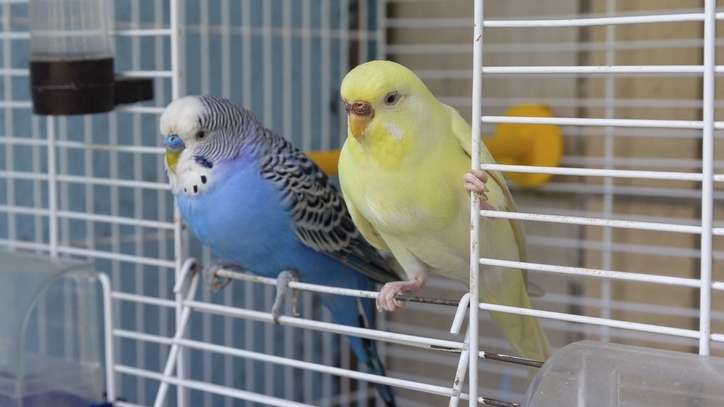
Traveling with a bird can be a rewarding experience, but it also requires thoughtful preparation and care. Unlike dogs or cats, birds are sensitive creatures that thrive on routine and familiarity, so any disruption—especially travel—can be stressful. Whether you’re going on a road trip, flying across the country, or just taking a weekend getaway, making sure your bird is safe, comfortable, and calm is essential.
Here’s everything you need to know about traveling with your feathered friend.
Start with the Right Carrier
The first step in preparing for travel is choosing a proper travel carrier. Your everyday cage isn’t ideal for the road—especially if it’s large or difficult to secure. Instead, use a smaller, travel-sized carrier designed for birds. It should have solid construction, secure latches, and enough ventilation.
The carrier should be just big enough for your bird to stand and turn around comfortably. Avoid overly large carriers, as they can make your bird feel insecure and may shift during transport.
Tips for choosing a travel carrier:
- Go with a hard-sided carrier for car or air travel
- Line the bottom with paper towels or a non-slip mat
- Include familiar perches or a favorite toy to reduce stress
Get Your Bird Used to the Carrier
Don’t wait until the day of travel to introduce the carrier. Birds are creatures of habit, and sudden changes can make them anxious. A week or two before your trip, let your bird spend time in the travel carrier inside your home. Encourage them with treats and praise so they associate it with positive experiences.
Start with short sessions, then gradually increase the time they spend inside. This helps them feel safe and secure when the real trip begins.
Consider the Mode of Transportation
For car travel:
Birds generally tolerate car trips well if they are properly secured and shielded from drafts or direct sunlight. Place the carrier in the back seat, and secure it with a seatbelt or wedge it in safely so it doesn’t shift.
Avoid placing the carrier near open windows or air vents. Keep the temperature comfortable and avoid loud music or sudden stops and starts.
For air travel:
Flying with a bird is more complicated. Not all airlines accept birds, and those that do often require advance paperwork and specific carrier dimensions. You’ll need to check with the airline about their pet policy, fees, and whether your bird can fly in-cabin or must go in cargo (which is not recommended for most pet birds).
Be prepared to:
- Show proof of health/vaccination from a vet
- Use an airline-approved carrier
- Arrive early to navigate check-in and screening
Pack a Travel Kit
You’ll want to bring along a bird-specific travel kit to make the journey easier for both of you. Here are the essentials:
- Food and treats that your bird is familiar with
- Bottled water and a dish or dispenser
- A small spray bottle for misting (if your bird enjoys it)
- Paper towels or cage liners for quick clean-ups
- Extra perches, toys, and cage wipes
- A lightweight cover or towel to drape over the carrier if your bird gets overwhelmed
Also, don’t forget to bring any medications your bird might need and a recent health certificate if required for airline travel or crossing state borders.
Mind Their Health and Safety
Birds are sensitive to environmental changes. During travel, watch for signs of stress such as feather fluffing, loss of appetite, panting, or unusual silence.
Never leave your bird alone in a hot or cold vehicle, even for a few minutes. Birds can overheat or chill very quickly, which can be dangerous or even fatal.
Stick to your bird’s normal feeding and sleeping schedule as much as possible. If you’re traveling across time zones, make gradual adjustments.
Choose Bird-Friendly Accommodations
If you’re staying overnight, make sure your hotel or lodging allows birds. Some places are pet-friendly but may only mean cats or dogs. Call ahead and confirm.
Once you arrive, set up a quiet, safe space for your bird to rest. Try to recreate their normal environment as best as you can—same food, same toys, same sleeping cover or night routine. Keep them away from open windows or unfamiliar pets.
After the Trip: Watch for Post-Travel Stress
When you return home or reach your destination, give your bird time to adjust. Even if they handled the trip well, the change in routine can take a toll. Watch for signs of stress or illness in the days following travel.
Give them extra attention, keep their environment calm, and return to their normal routine as quickly as possible.
Final Thoughts
Traveling with a bird takes a bit more effort than other pets, but it’s entirely doable with the right preparation. The key is planning ahead, keeping things as familiar as possible, and staying in tune with your bird’s behavior. With a secure carrier, a calm environment, and your attention, your bird can travel safely—and even enjoy the ride.