When it comes to choosing a family dog, safety is the number one concern—especially for parents of young children. Pit Bulls, often subject to sensational headlines and outdated stereotypes, can inspire apprehension. Yet countless families around the world have welcomed these affectionate, energetic dogs into their homes with wonderful results. So, are Pit Bulls safe around kids? The answer largely depends on responsible ownership, proper training, and close supervision—but for the right family and under the right circumstances, Pit Bulls can be loving, devoted playmates for children.
Understanding the Breed
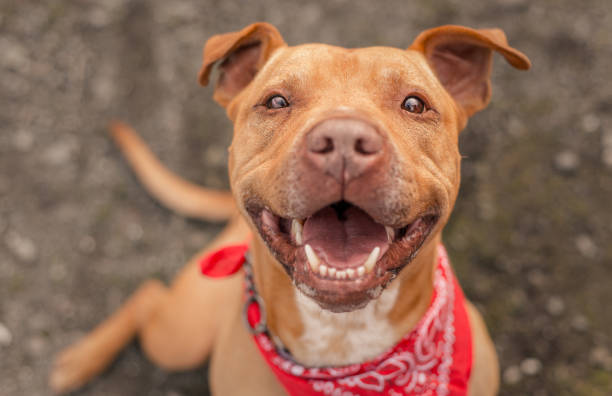
“Pit Bull” actually encompasses several related breeds—most commonly, the American Pit Bull Terrier, American Staffordshire Terrier, and Staffordshire Bull Terrier. Historically bred for strength and tenacity, modern Pit Bulls are often enthusiastic athletes who thrive on activity, challenge, and close bonds with their people. They are not inherently aggressive; like any dog, their behavior is shaped by genetics, upbringing, socialization, and day‑to‑day handling.
Temperament and Child-Friendly Traits
- Loyalty and Affection: Pit Bulls are famously devoted to their families. Many owners describe their dog’s willingness to snuggle, accompany kids on backyard adventures, and offer protective cuddles during thunderstorms.
- High Energy & Playfulness: These dogs love interactive play—tug-of-war, fetch, even obstacle courses. When channeled into safe, age‑appropriate games, Pit Bulls can help children burn off energy and learn boundaries.
- Tolerance & Patience: Properly socialized and trained Pit Bulls often demonstrate surprising patience with enthusiastic toddlers. While supervision is always necessary, many have a natural knack for calmly enduring noisy play.
Critical Factors for a Safe Home
- Early Socialization: Exposing a young Pit Bull puppy to a wide variety of sights, sounds, people, and—crucially—children, helps build a calm, confident adult dog. Puppy socialization classes, positive reinforcement training, and supervised playdates all contribute.
- Consistent Training & Boundaries: Teaching basic commands (“sit,” “stay,” “off,” “leave it”) and rewarding calm behavior establishes clear communication. Children, too, benefit from learning how to approach, pet, and play with dogs respectfully—no tugging ears or sudden hugs.
- Supervision Is Non‑Negotiable: No matter how gentle a dog seems, inadvertent roughhousing can lead to nips or scratches. An adult should always be present when young kids and dogs interact.
- Exercise & Mental Stimulation: A well‑exercised Pit Bull is less likely to become bored or frustrated—two common triggers for unwanted chewing or resource guarding. Daily walks, puzzle toys, and training sessions keep their minds and bodies engaged.
Addressing Misconceptions
- Myth: Pit Bulls Have “Locking Jaws.” Science shows that no dog breed has a special mechanism to lock its jaw. Bite strength varies by individual, not breed.
- Myth: All Pit Bulls Are Dangerous. Behavior is individual—many untrained dogs of “family‑friendly” breeds pose risks, while well‑trained Pit Bulls live safely with kids and other pets.
- Fact: Bite Statistics Are Incomplete. Breed identification in bite-reporting can be unreliable. Focusing on individual dog management and community education is more productive than blanket bans.
Tips for Families
- Meet Before You Adopt or Foster: Spend supervised time with the dog and your child in a neutral setting to gauge comfort levels on both sides.
- Commit to Training: Enroll in a positive‑reinforcement obedience class, and consider ongoing group training or dog sports (like agility or scent work) to deepen your bond.
- Educate Your Kids: Teach children to respect “dog space” when the dog eats, sleeps, or retreats to a crate or bed, and to read canine body language (e.g., wagging tail vs. stiff posture).
- Start Small: Let your Pit Bull earn your trust at your own pace. Short, positive interactions build confidence for the entire family.
The Bottom Line
Pit Bulls, like any breed, are not a one‑size‑fits‑all solution. With dedicated socialization, consistent training, and vigilant supervision, they can become gentle, affectionate companions for children. A happy, healthy Pit Bull who understands boundaries—and a well‑informed family who respects canine needs—can forge an incredibly rewarding bond. Ultimately, whether a Pit Bull is “safe” around kids hinges on the commitment and care of the people who bring them home. When those pieces are in place, a Pit Bull’s love and loyalty can enrich family life in countless ways.